

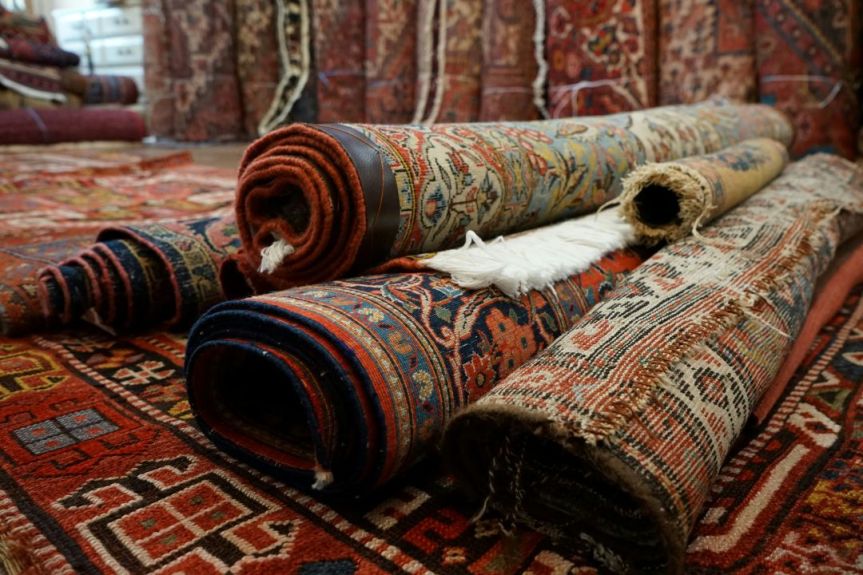
Rug moths are a serious concern for high-end rugs in Southern California. These tiny insects may seem harmless, but their larvae feed on natural fibers like wool, silk, and cotton, causing irreversible damage to your valuable area rugs. For Persian, Oriental, and hand-knotted rugs, even minor moth infestations can compromise both appearance and structural integrity.
This comprehensive 2026 guide covers how to identify rug moth damage, treatment options, and effective prevention strategies to protect your investment.
Understanding Rug Moth Damage
Rug moths, particularly the common clothes moth (Tineola bisselliella), are attracted to natural fibers. Adult moths lay eggs in dark, undisturbed areas such as under rugs, along edges, and in closets. When eggs hatch, the larvae feed on keratin-based fibers, creating:
- Holes or thinning areas in the rug pile
- Frayed edges and damaged fringe
- Weak or brittle fibers
- Irregular patterns of wear and discoloration
Moth larvae are often difficult to spot early, and damage may only become noticeable after significant infestation.
Signs Your Rug May Have Moth Damage
To catch moth damage early, look for the following:
- Small holes or thinning areas in high-traffic or low-light areas
- Frayed fringe or edges that seem brittle or irregular
- Clusters of silk webbing or cocoons under or around the rug
- Visible larvae (tiny cream-colored worms)
- Musty odors in storage areas or beneath rugs
Detecting moth damage early is crucial. Left untreated, infestations can spread to multiple rugs and other natural fiber items in your home.
Immediate Steps for Treatment
1. Isolate Affected Rugs
Remove the rug from your home or at least from other rugs and furniture. Isolation prevents the infestation from spreading.
2. Vacuum Thoroughly
Vacuum both sides of the rug, including fringes, edges, and underneath. Empty the vacuum outside to prevent reinfestation.
3. Freezing or Heat Treatment
For small rugs or sections:
- Freezing: Place the rug in a sealed plastic bag and freeze for at least 72 hours to kill eggs and larvae.
- Heat treatment: Professional rug cleaners can apply controlled heat to eradicate moths without damaging fibers.
4. Professional Hand-Wash Cleaning
Deep cleaning removes larvae, eggs, and debris embedded in the rug fibers. Professionals use:
- Gentle hand-wash techniques for wool, silk, and antique rugs
- Fiber-safe, pH-balanced cleaning solutions
- Controlled drying to prevent shrinkage or fiber distortion
5. Repairing Damage
After treatment, repair services like reweaving, edge binding, or refringing may be necessary to restore the rug’s appearance and structural integrity.
Preventing Future Moth Infestations
Prevention is always better than treatment. Southern California homeowners can reduce the risk of rug moths with the following strategies:
1. Regular Vacuuming
Vacuum rugs weekly, especially in low-traffic or dark areas. Pay attention to fringe, edges, and underneath rugs.
2. Rotate Rugs
Rugs left in the same location for years are more prone to moth damage. Rotating rugs every 6–12 months reduces prolonged exposure to undisturbed areas.
3. Sunlight and Air Exposure
Moths prefer dark, undisturbed fibers. Occasionally exposing rugs to sunlight and air can deter egg-laying.
4. Rug Pads
High-quality rug pads allow airflow underneath the rug, making it less attractive to moths.
5. Storage Precautions
If you store rugs for long periods:
- Clean them thoroughly first
- Roll the rug, do not fold, and wrap in breathable cloth or acid-free paper
- Avoid plastic storage bags unless freezing is part of treatment
- Check periodically for signs of moth activity
6. Cedar or Natural Repellents
Natural repellents such as cedar blocks, lavender, or essential oils may help deter moths, but do not replace cleaning and inspection.
Why Professional Moth Treatment Is Critical
Rug moth infestations can cause irreversible damage if not treated correctly. DIY methods like sprays or surface cleaning may:
- Kill adult moths but leave larvae and eggs behind
- Damage delicate fibers in silk, wool, or antique rugs
- Miss hidden areas where eggs may remain
Professional rug cleaners offer specialized moth eradication, deep cleaning, and repair services, ensuring the rug is safe and preserved.
Tips for Long-Term Rug Care in Southern California
- Schedule professional cleaning every 12–18 months, especially for high-value rugs
- Inspect rugs regularly, especially in closets or under furniture
- Maintain low humidity and avoid damp areas to deter moths and mold
- Use rug pads and rotate rugs to reduce uneven wear and undisturbed fibers
- Address minor damage promptly to prevent extensive reweaving or fringe repair later
Conclusion
Rug moths are a hidden threat for Southern California homes, but early detection, proper treatment, and preventive care can protect your rugs from serious damage. Whether you own Persian, Oriental, wool, or silk rugs, professional rug cleaning and repair services are essential for long-term protection.
By combining routine vacuuming, careful storage, sunlight exposure, and professional care, you can ensure your high-end rugs remain vibrant, structurally sound, and moth-free for decades.
 OCRUGREPAIR - Orange County Rug Cleaning, Rug Repair, & Rug Restoration