

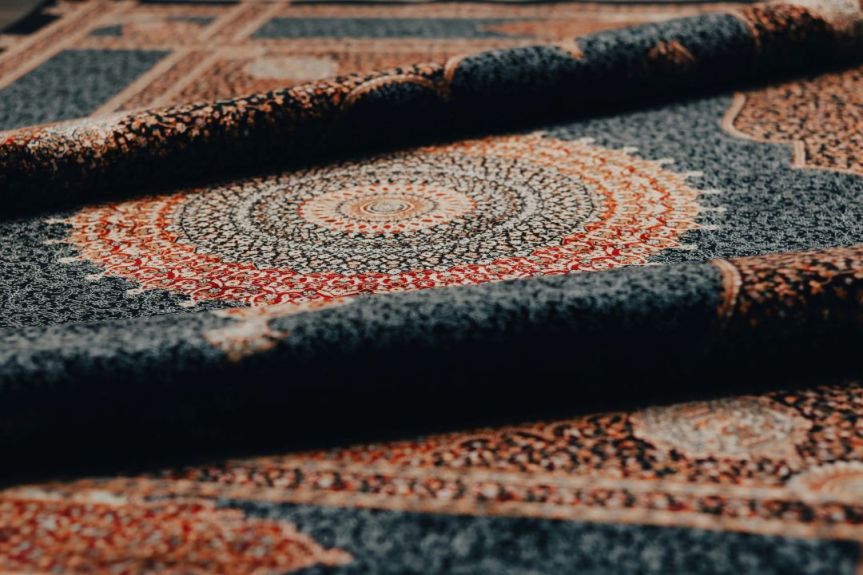
When it comes to high-end area rugs, wool and silk rugs are two of the most popular options for Orange County homeowners. Both are luxurious and durable, but they have very different cleaning and maintenance needs. Choosing the wrong cleaning method can damage fibers, cause color fading, or shorten the rug’s lifespan.
This 2026 guide explains the key differences between wool and silk rugs, how to care for them, and when to call a professional for expert cleaning in Orange County, CA.
Understanding Wool Rugs
Wool rugs are the most common type of handmade and high-quality rug. They are valued for their:
- Soft, resilient fibers
- Natural stain resistance
- Durability in high-traffic areas
- Warm, rich colors
Wool is naturally absorbent, which means it can trap dirt, dust, and liquids deep within the fibers. While it can handle moderate cleaning, improper methods like machine washing or harsh chemicals can cause shrinkage, color loss, or fiber damage.
Understanding Silk Rugs
Silk rugs are prized for their:
- Soft, lustrous texture
- Vibrant sheen and fine detailing
- Lightweight, delicate structure
- Use in decorative, low-traffic areas
Silk is far more delicate than wool and cannot withstand heavy moisture or abrasive cleaning. Even minor spills or improper cleaning can permanently damage the fibers or dyes.
Key Cleaning Differences Between Wool and Silk Rugs
Wool Rugs Cleaning Tips
- Hand-wash in cool to lukewarm water with gentle, pH-neutral detergent
- Avoid excessive agitation to prevent fiber fuzzing
- Can handle moderate exposure to water, but do not saturate
- Deep vacuuming and professional dust removal recommended
- More forgiving with mild stains, but pet urine and heavy soil require professional treatment
Silk Rugs Cleaning Tips
- Should never be scrubbed or washed with excessive water
- Require specialty hand-wash methods using minimal moisture
- Sensitive to pH changes — vinegar or baking soda DIY solutions can ruin silk fibers
- Typically require spot cleaning or professional care only
- High-end silk rugs often need repair services along with cleaning, such as reweaving or fringe repair
Maintenance Differences for Wool vs. Silk Rugs
Wool Rug Maintenance
- Vacuum regularly (suction only, no beater bar)
- Rotate rugs every 6–12 months to prevent uneven wear
- Professional cleaning every 12–18 months for high-traffic areas
- Protect from direct sunlight to maintain colors
- Treat stains promptly but professionally for deep spills
Silk Rug Maintenance
- Avoid placing silk rugs in high-traffic areas
- Keep away from direct sunlight to prevent fading
- Rotate minimally to prevent fiber distortion
- Vacuum carefully using suction-only techniques
- Require professional hand-wash cleaning every 12–24 months or sooner if soiled
Signs Your Wool or Silk Rug Needs Professional Cleaning
- Visible dirt or dust embedded in fibers
- Persistent odors from pets, smoke, or spills
- Stains that DIY methods cannot remove
- Fading or discoloration in high-traffic areas
- Fringe or edges showing wear
- Stiff or matted fibers
- Pet accidents or urine contamination
For both wool and silk rugs, professional cleaning restores beauty, removes dirt deep within fibers, and extends the rug’s lifespan.
Why Professional Rug Cleaning Is Important in Orange County
Many OC homeowners attempt DIY cleaning with steam cleaners, carpet shampoos, or vinegar-based solutions. While these methods might work on synthetic rugs, they are not safe for wool or silk rugs because:
- Heat can shrink or distort fibers
- Harsh detergents can strip natural oils from wool
- Silk fibers can weaken, lose sheen, or fade
- Surface cleaning cannot remove deep-seated dirt or pet urine
Professional cleaners use:
- Hand-wash techniques tailored to wool or silk
- pH-balanced solutions
- Controlled drying to prevent warping or fiber damage
- Optional fringe repair, reweaving, or edge binding
This approach ensures your rugs look beautiful and last for decades.
Tips to Extend the Life of Wool and Silk Rugs
- Use a high-quality rug pad to reduce friction and soil accumulation
- Keep rugs out of damp areas to prevent mold and mildew
- Immediately blot spills without rubbing
- Rotate rugs regularly for even wear
- Schedule professional cleaning every 12–24 months depending on traffic, pets, and household activity
 OCRUGREPAIR - Orange County Rug Cleaning, Rug Repair, & Rug Restoration